

A SUSTAINABLE APPROACH, WHICH HAS ALWAYS BEEN PART OF SCARPA'S HISTORY, NOW A MANIFESTO FOR THE COMPANY
Actions
Production Chain
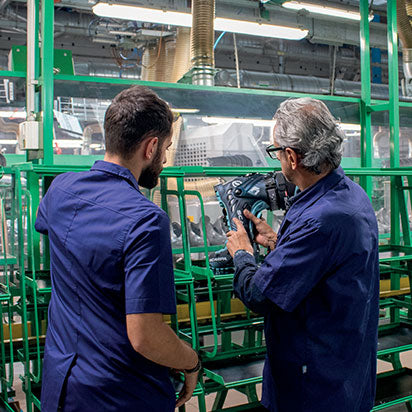
90% European
90% of manufacturing and materials supply takes place in Europe, under highly advanced regulatory criteria.
Energy
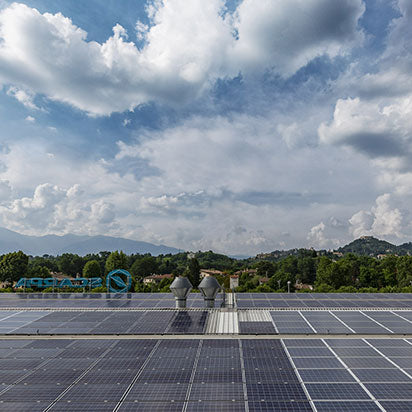
-320 tonnes co2/year
The photovoltaic systems installed on the company's buildings produce approximately 400,000 kWh of energy, equivalent to savings of some 320 tonnes of CO2 emissions per year.
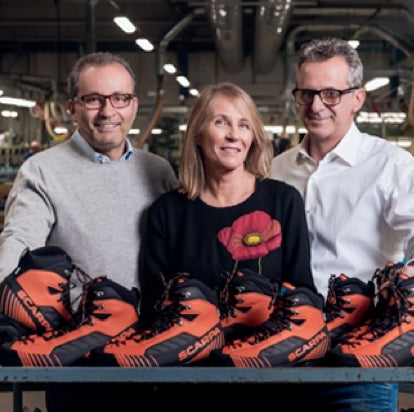
Made in Italy
60%
More than half of the production is carried out entirely in Italy, guaranteeing high standards and quality.

Mountaineering Line
100% ITALY
SCARPA produces 100% of its mountaineering range in the Asolo factory adjacent to the company headquarters and warehouse, thus minimizing the impact of logistics movements.
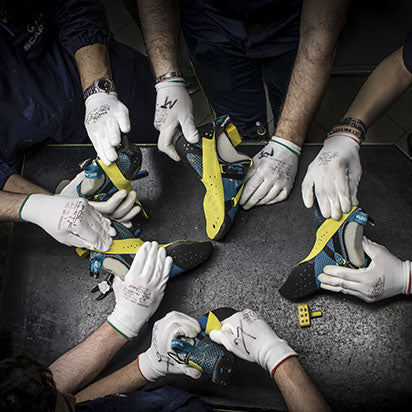
Human Resources
100% TRAINED STAFF
SCARPA has initiated a scheme to give each employee the basic knowledge and tools to actively contribute to the company's sustainability strategy.
Green Ambassadors
16
SCARPA has set up a group of 16 Sustainability Ambassadors, spread over every department, who can be consulted by staff seeking information and advice on sustainability.
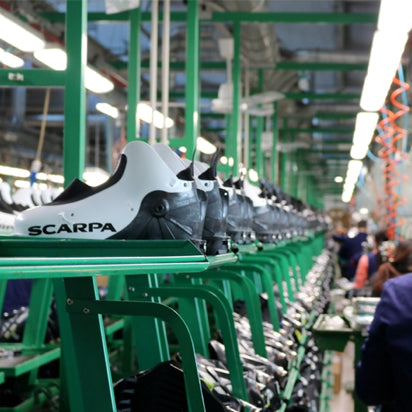
Own Factories
85%
Almost full integration of the production chain allows precise and direct control over the social and environmental practices used in production.
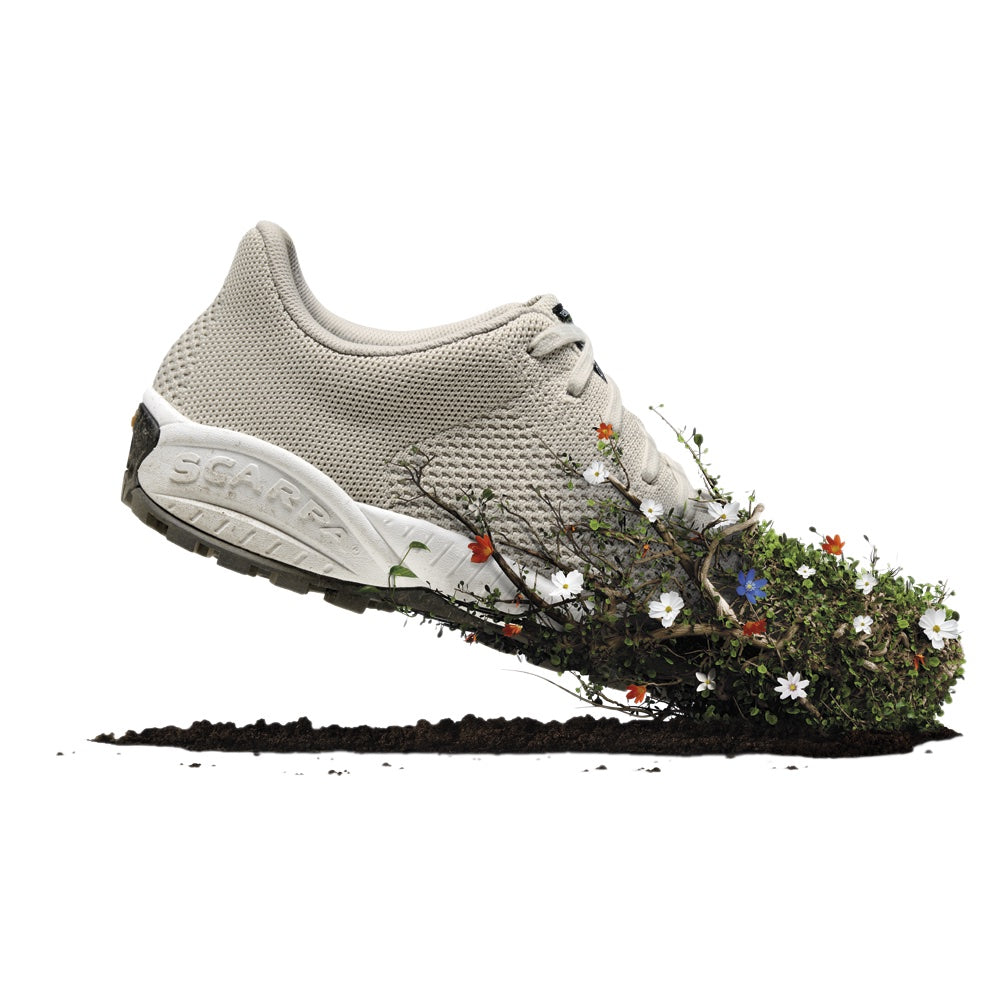
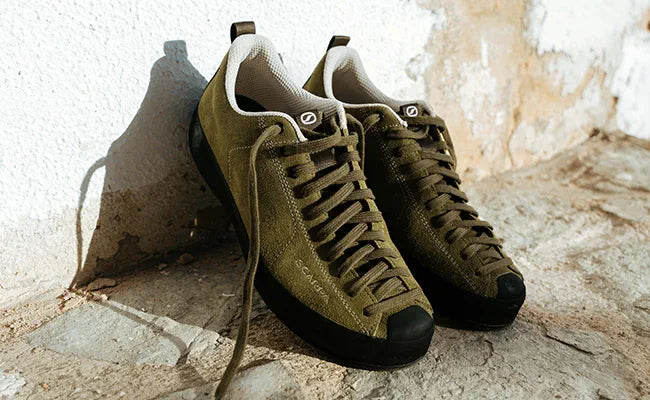
Mojito Bio
Mojito Bio represents a fundamental step in terms of sustainable production. It is certified 100% biodegradable, from Intertek.
After 45 days under controlled conditions, the percentage of biodegradability of the materials of the sole, tread and upper is already between 6% and 8% when the average for normal shoes is 0%.
In the development of the shoe, production steps were simplified.
The performance and durability of the fit remain unchanged.
100% BIODEGRADEABLE
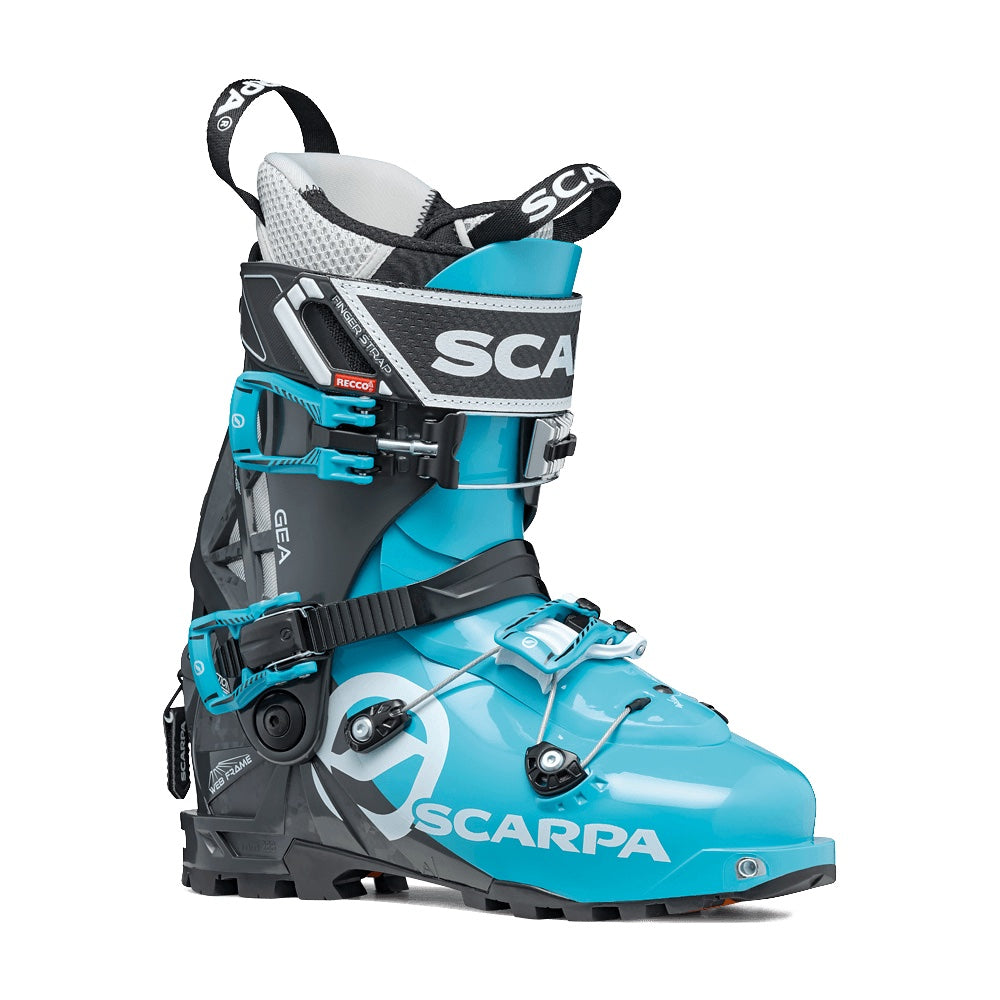
Gea
The Gea is the defining ski mountaineering female boot, with a shell and cuff in the Pebax Rnew polymer, 65% of which comes from renewable sources. Specifically, the polymer is derived from castor oil, a vegetable oil extracted from the seeds of the castor oil plant, which is a non-edible, non-GMO crop and therefore not in competition with food production. This renewable material also produces 32% less CO2 than conventional materials.
-32% of Co2
65% from renewable sources
Stories
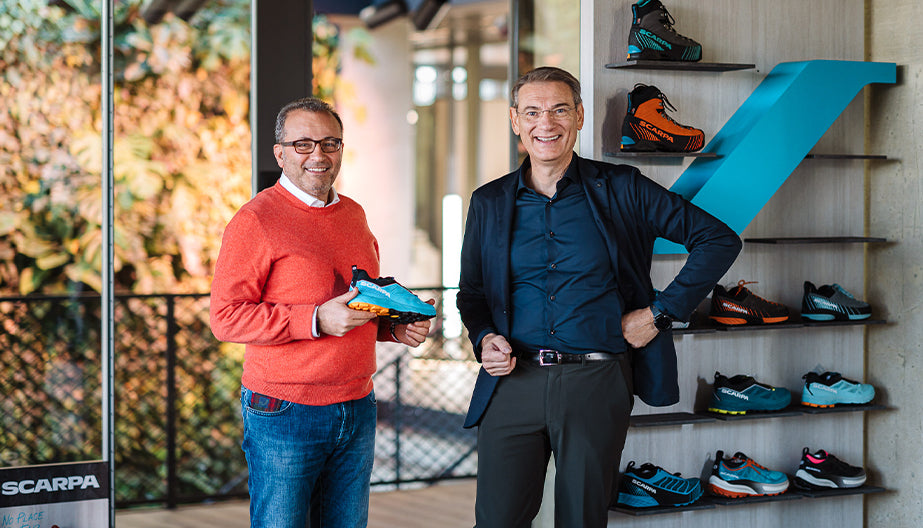
Green Manifesto
Interview with Diego Bolzonello and Sandro Parisotto

BIKE AND CLIMB IN THE ALPS
Nico Favresse and Sébastien Berthe climbed the Alps Trilogy, moving between Switzerland, Germany and Austria in a sustainable way.
A Natural Choice
Living in nature also means respecting and safeguarding it: that's why we work with partners who are renowned for the development of sustainable materials.

AN ECO-SUSTAINABLE CHOICE
Pebax® Rnew is produced using renewable energy and low CO2 emissions; a first step towards reducing our footprint on the earth. Avoid waste, prioritize renewables and limit our environmental impact: this is the recipe for a clean environmental conscience.
29% less energy from non-renewable sources than traditional plastics.
32% less CO2 emissions per 100 metres of Pebax® Rnew used rather than TPU.
AN INNOVATIVE CHOICEYour heading
evolo® is an innovative production process which respects the environment and the principles of a circular economy, enabling a more informed and virtuous use of resources due to a considerable reduction in chemical substances, the re-use of raw materials without the addition of chromium and a significant reduction in water usage.
evolo® leather guarantees and moves beyond the performance of the traditional product Softy, generates the equivalent of 9.13% production waste, calculated on the mass of the finished product, and allows a specific reduction of 0.803 kg CO2/m2 compared with the production of the traditional Softy.

AN ORGANIC CHOICE
With GreenLine, Ems-Grivory has developed a series of renewable raw materials with excellent properties that are on a par with traditional oil-based polyamides, yet with a far lower environmental impact. Grimland is part of Ems-Grivory's full line of bio-based polyamides.