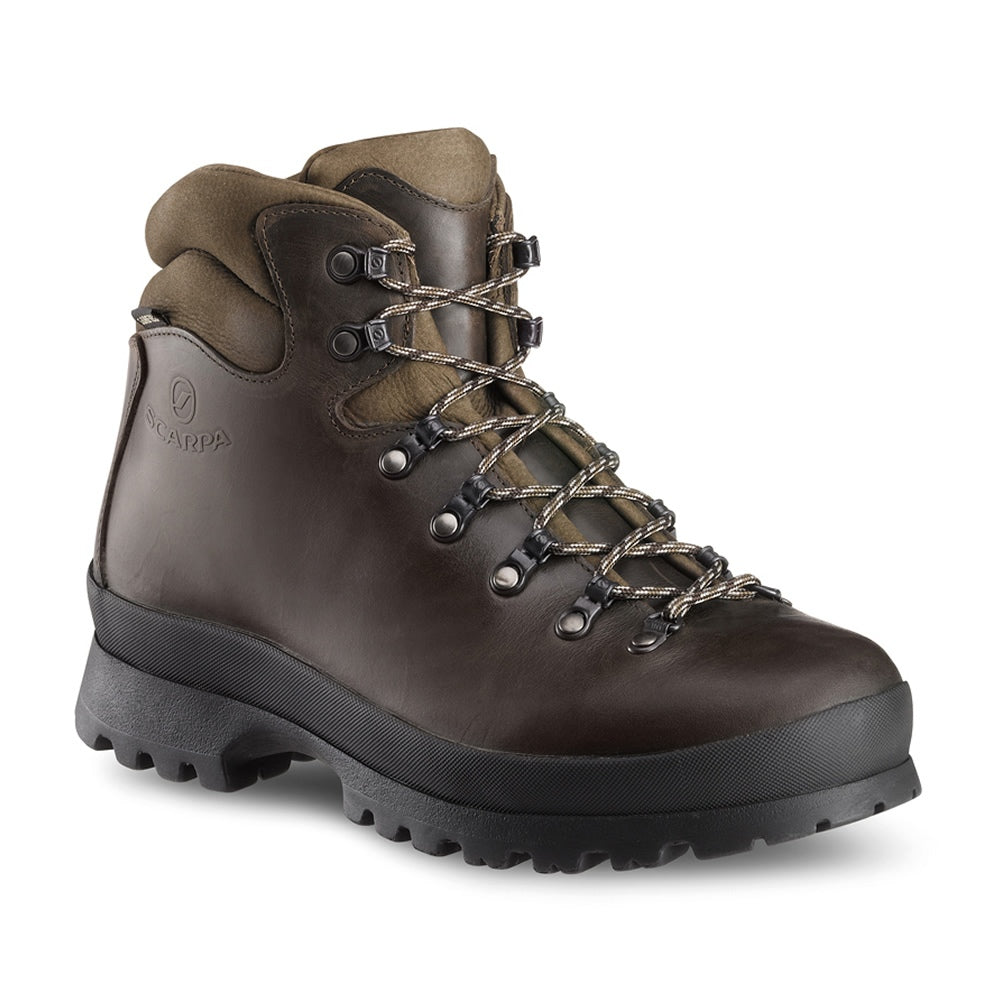
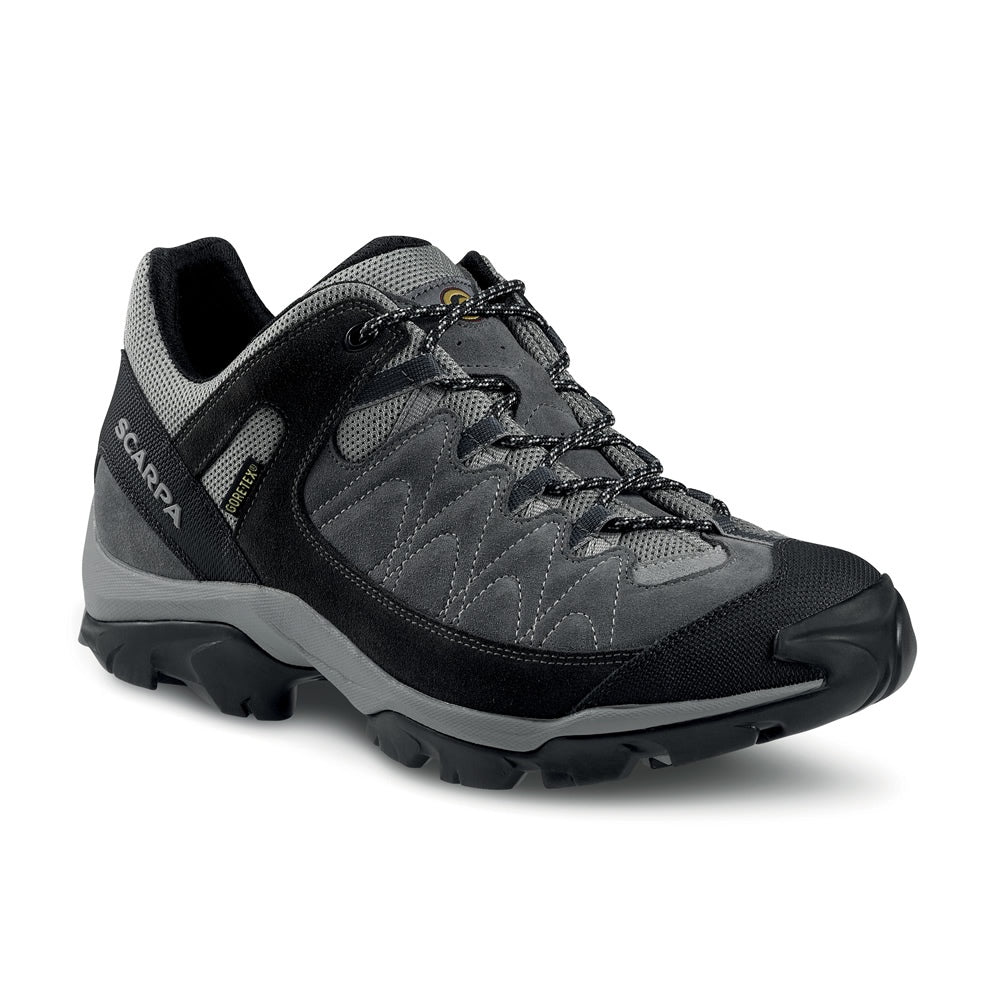
Blisters are one of the most common problems hikers face—but they’re also one of the easiest to prevent. If you’ve ever had a walk cut short by sore, rubbing feet, you’ll know how important it is to get the basics right.
In this guide, we’ll show you exactly how to avoid blisters when walking, from choosing the right boots to preventing hotspots before they become painful.
Why Do Blisters Happen When Walking?
Before we get into prevention, it helps to understand the cause. Blisters form when friction, heat, and moisture build up between your skin and your footwear. This causes the upper layers of skin to separate and fill with fluid.
The key to blister prevention? Reduce friction, manage moisture, and ensure a proper fit.
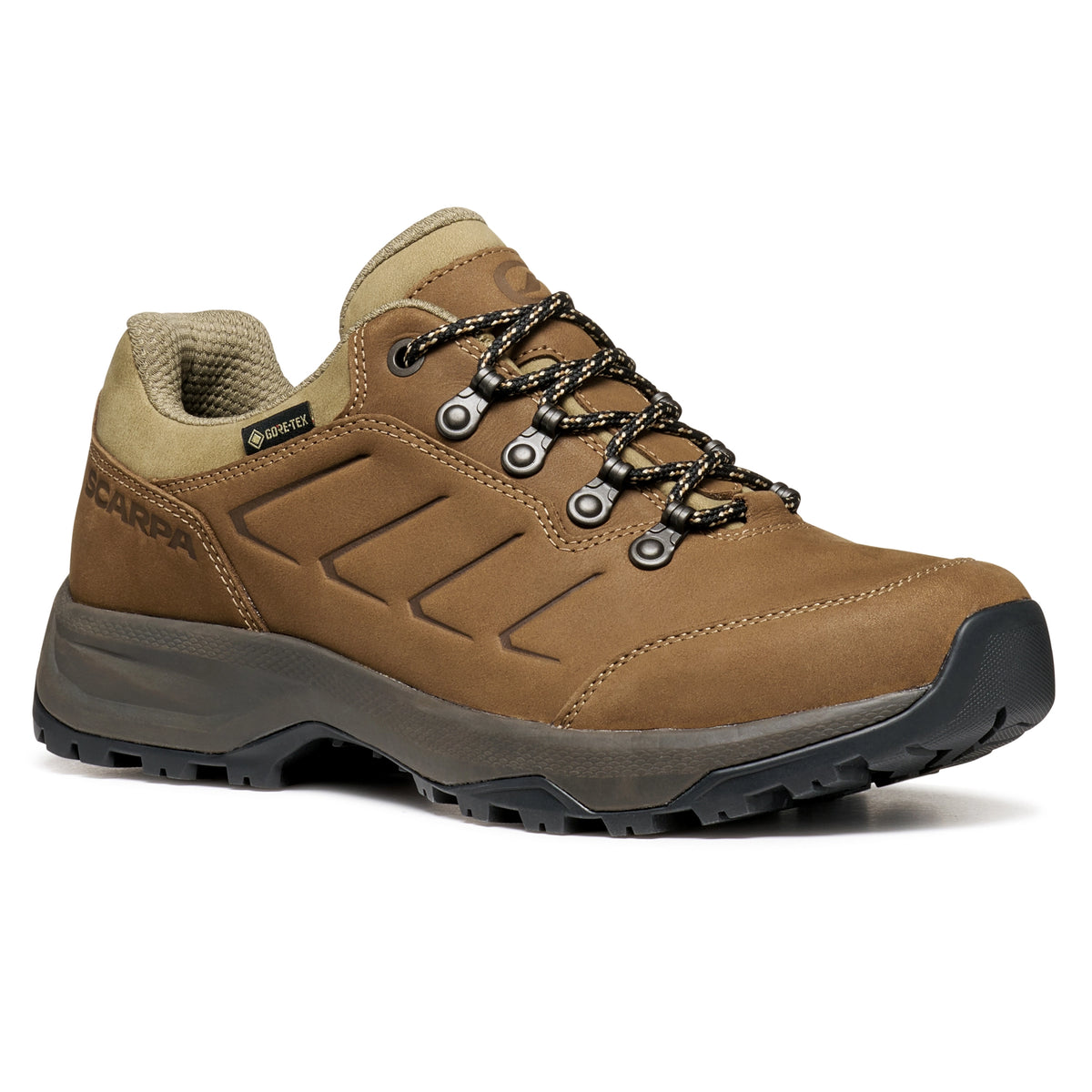
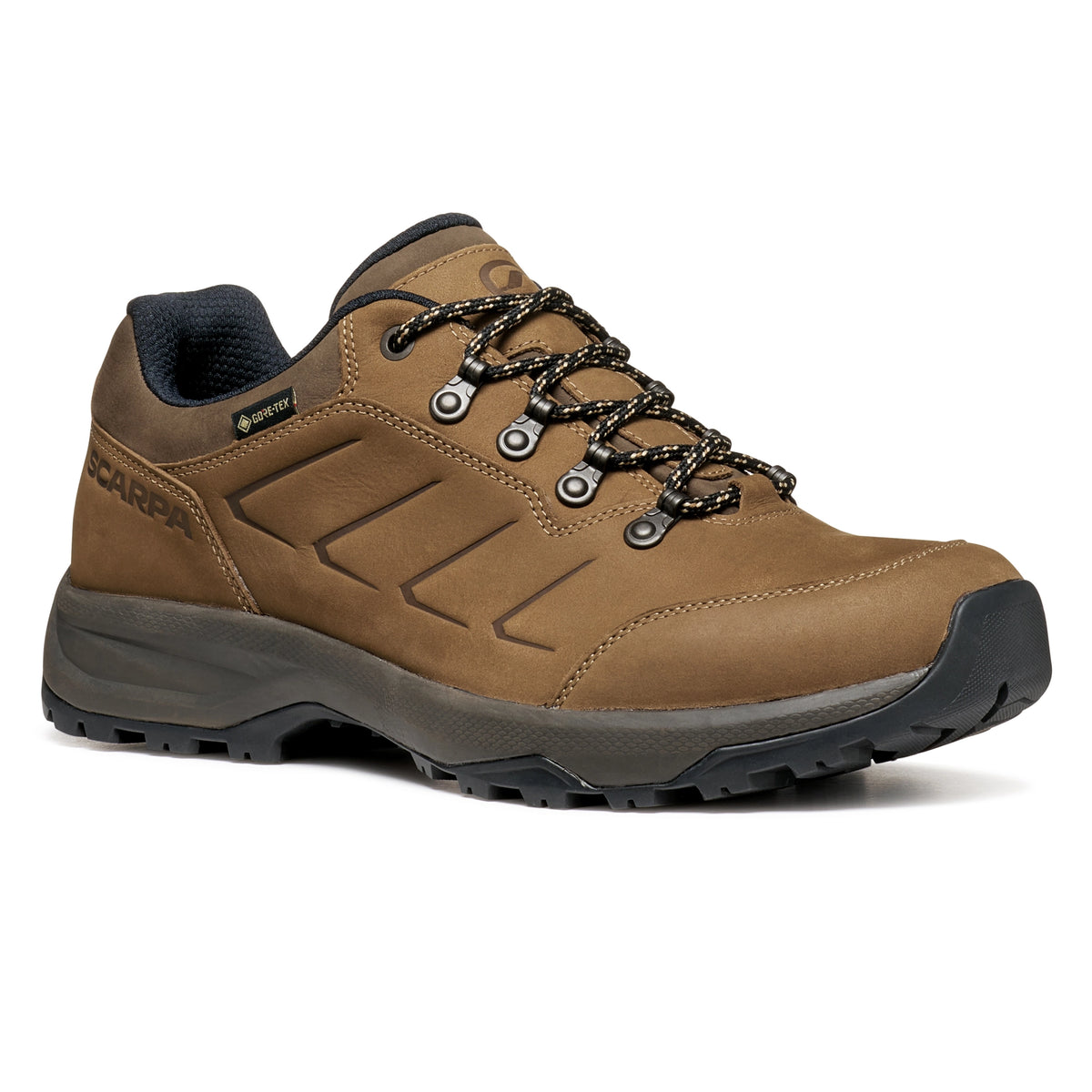
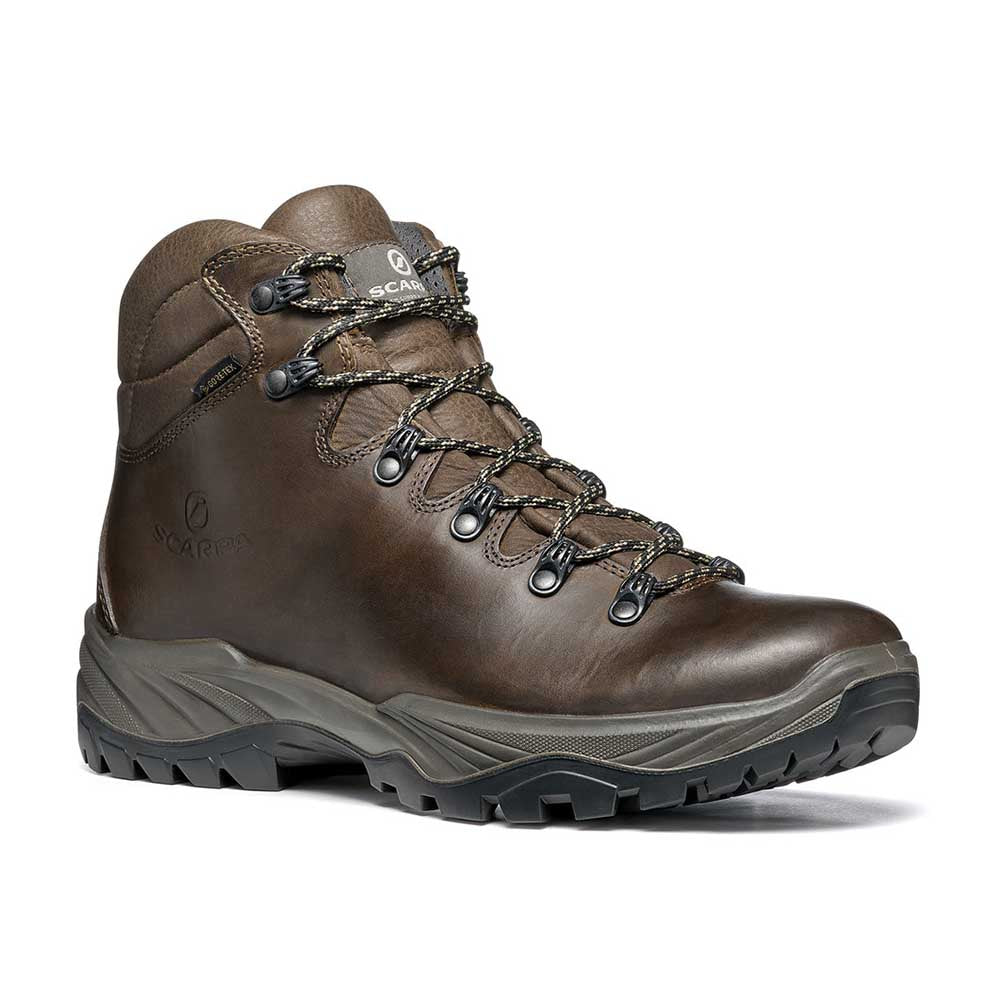
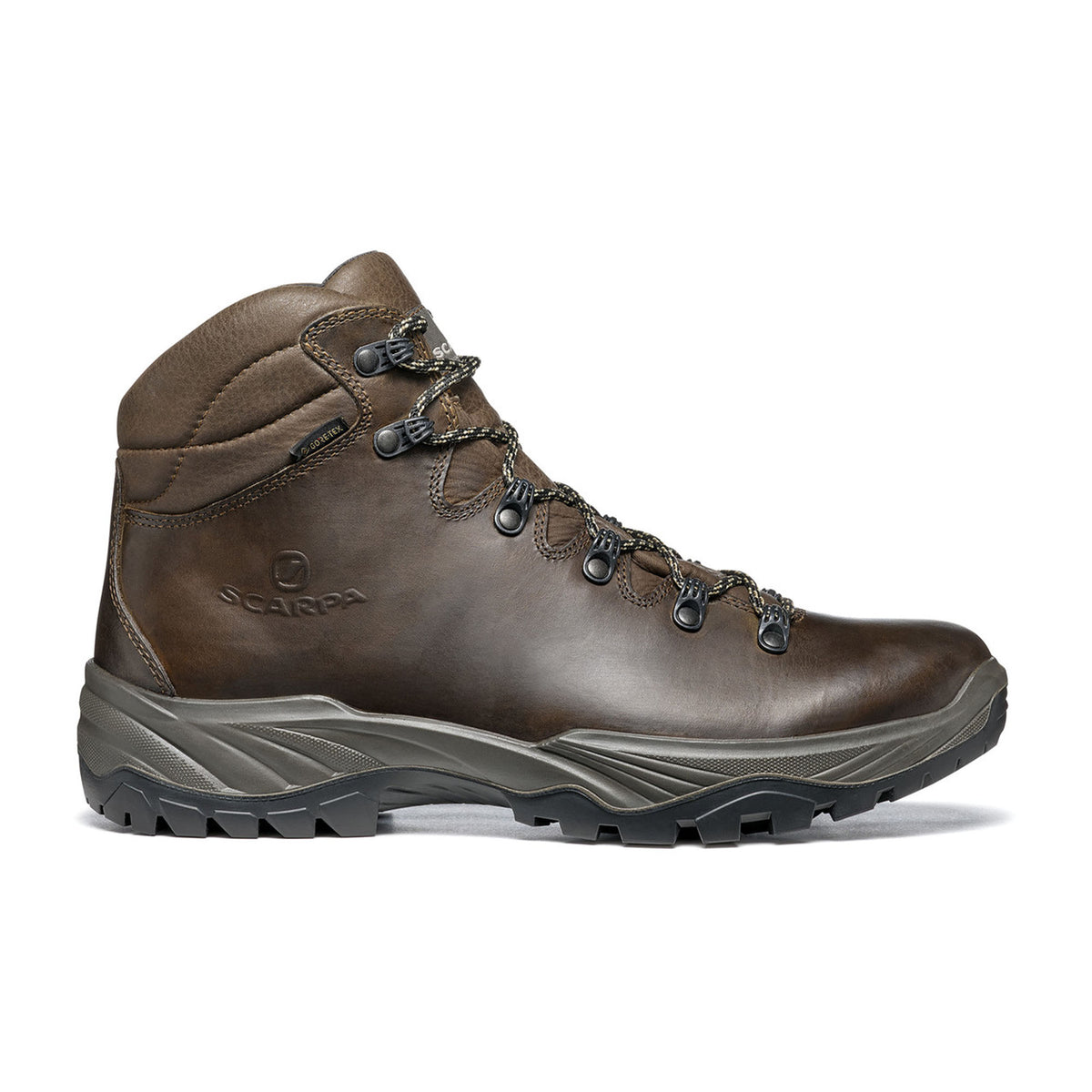
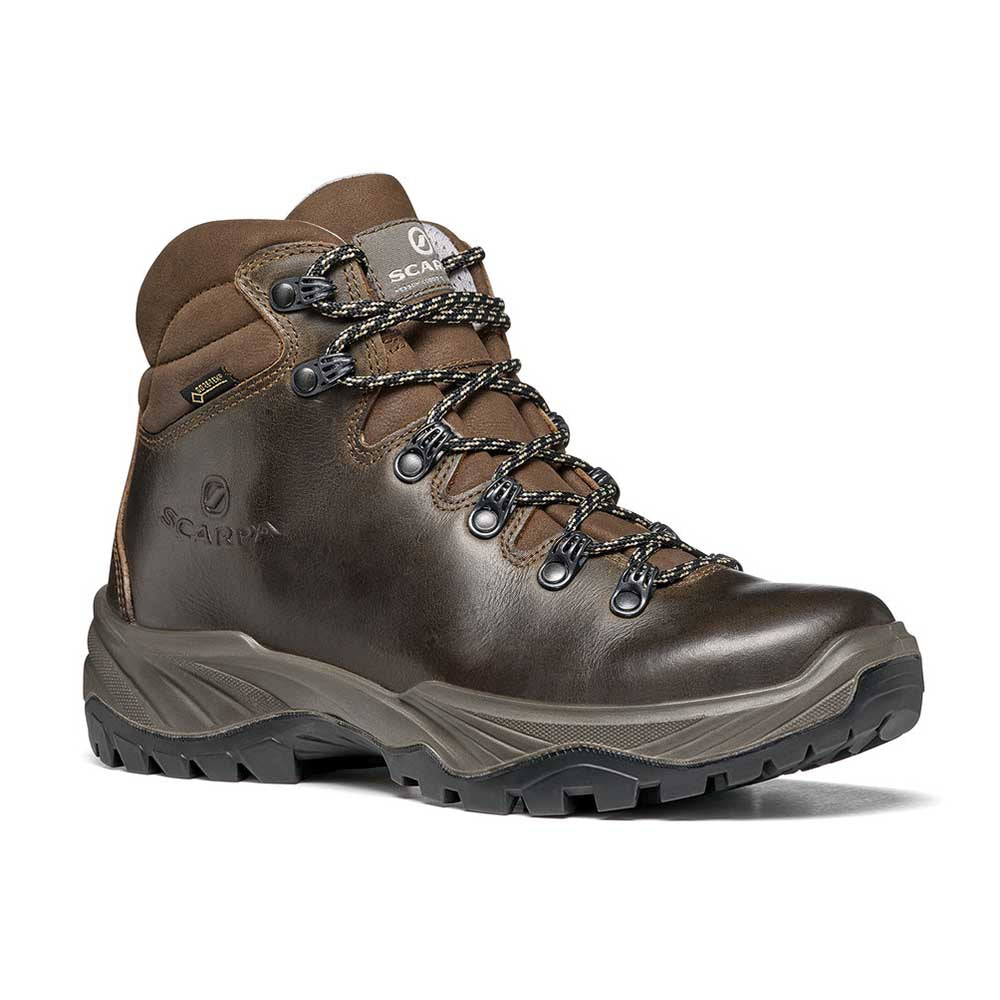
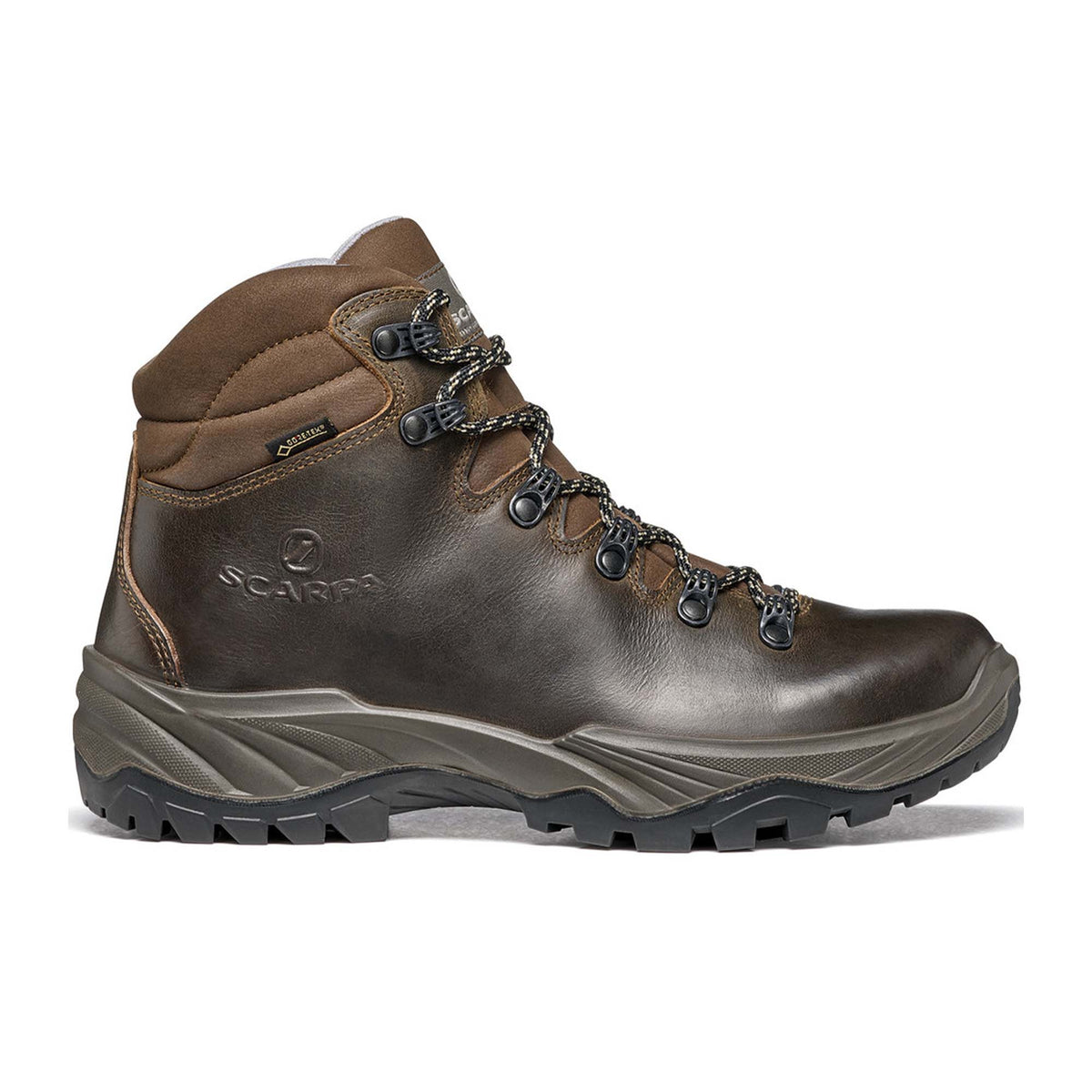
Choose Properly Fitted Walking Boots
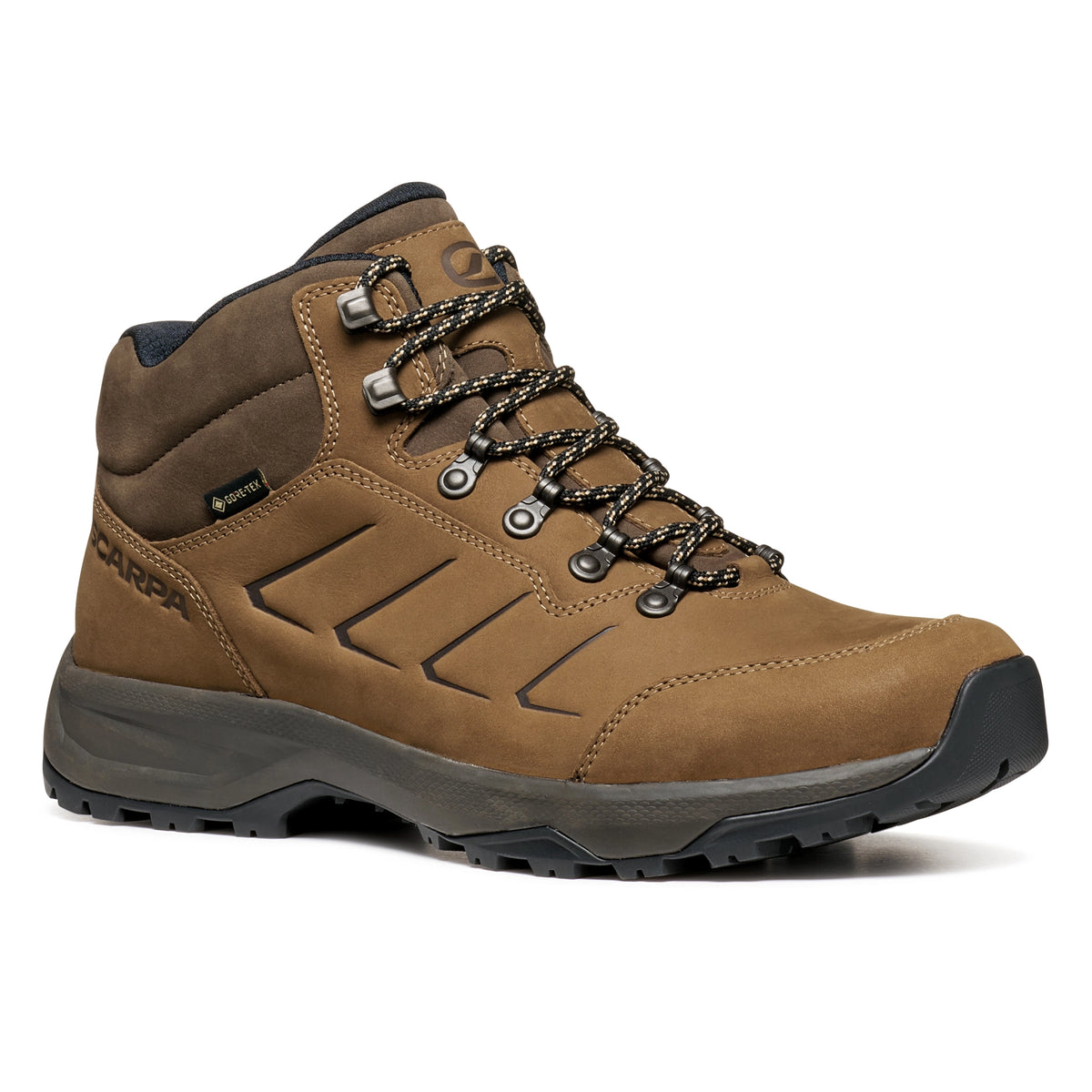
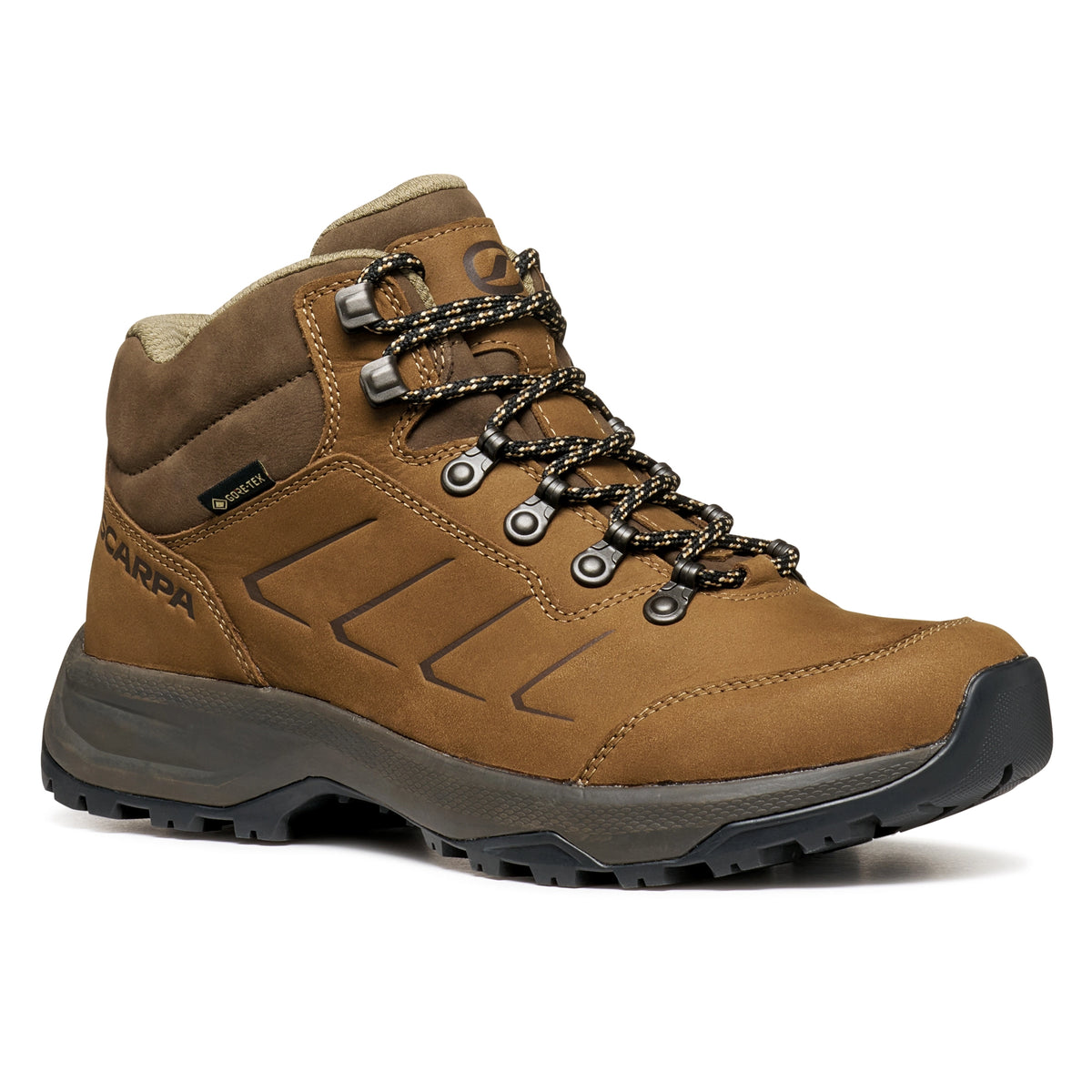
If you’re wondering how to prevent blisters on your feet, start with your footwear.
- Make sure your hiking boots fit snugly without pressure points
- Allow space in the toe box to prevent rubbing on descents
- Try boots on with hiking socks, ideally later in the day when feet are slightly swollen
We recommend visiting an experienced boot fitter, you can find our stockists here, or if you are buying online, check out our fitting boots at home guide.
Break in Walking Boots Before Long Walks
One of the biggest mistakes walkers make is wearing new boots straight onto the trail.
To avoid blisters:
- Wear your boots on short walks first
- Gradually increase distance and terrain difficulty
- Identify and fix hotspots early
Breaking in your boots helps soften materials and adapt them to your foot shape.

Wear the Best Socks for Hiking (Avoid Cotton)
Choosing the best walking socks for blister prevention is just as important as your boots.
- Opt for merino wool or synthetic moisture-wicking socks
- Avoid cotton - it traps moisture and increases friction
- Consider double-layer socks for added protection
Dry feet = fewer blisters.
Keep Your Feet Dry
Moisture is one of the biggest contributors to blister formation.
To keep feet dry while hiking:
- Change socks if they become sweaty or wet
- Take breaks to air out your feet
- Use foot powder or anti-perspirant if needed
- Ensure your boots are waterproof
This is especially important for long-distance hikes or warm conditions.
Prevent Blisters with Tape or Blister Plasters
If you’re prone to blisters, prevention is key.
- Apply zinc oxide tape to common hotspot areas (heels, toes)
- Use blister plasters before discomfort starts
- Ensure smooth application to avoid wrinkles
Many experienced hikers tape their feet before every long walk.
Use Proper Lacing Techniques
Loose or incorrect lacing can cause your foot to move inside your boot, leading to friction.
- Use heel-lock lacing to keep your foot secure
- Tighten boots for descents, loosen slightly for ascents
- Adjust laces during your hike if needed
Small adjustments can make a big difference - for some great lacing tip ideas - check out our lacing blog.
Maintain Good Foot Care
Healthy skin is more resistant to blisters.
- Keep toenails trimmed to prevent pressure
- Reduce hard skin that may cause friction points
- Moisturise regularly (but avoid doing so right before hiking)
Foot care is a simple but often overlooked step in blister prevention.
Treat Hotspots Early to Stop Blisters Forming
If you feel rubbing or irritation, act immediately.
- Stop and check your feet
- Apply tape or a plaster to the affected area
- Adjust socks or lacing if needed
Ignoring hotspots is one of the fastest ways to end up with painful blisters.
At SCARPA UK, we design footwear to support every step of your journey. Pair the right boots with these blister prevention tips, and you’ll be ready to take on any trail with confidence.